What is integrated science – secondary education?
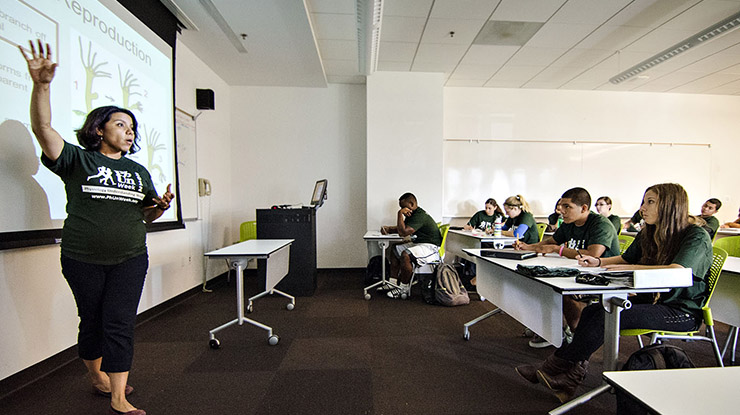
Integrated science – secondary education is for students who want to teach science in high schools. You’ll build a broad foundation across biology, chemistry, earth and space science, and physics — and learn how these disciplines connect.
This major could be a good fit if you want to inspire the next generation of scientists and you enjoy learning across a wide range of science disciplines.
What you'll learn
If you’d like to teach science (life science, chemistry, earth and space science, or physics) in high schools, this major helps you build both content knowledge and teaching skills.
In this major, you’ll develop skills in:
- multidisciplinary integration across biology; chemistry; earth and space science; and physics;
- classroom management and pedagogy through teacher education course work;
- problem solving and communication so you can explain science concepts clearly and effectively.
Why study integrated science – secondary education at MSU?
As part of this major, you’ll take classes through MSU’s College of Education which is home to top-ranked programs in education for more than 30 years. This recognition reflects a focus on clinical experiences and personal support from mentors, as well as strong connections with educators and school leaders. These classes will prepare you for your teaching certification.
Specialized concentrations
Concentrations include:
- biology;
- chemistry;
- physics;
- earth science.
Hands-on learning opportunities
As you work toward this science education degree, you’ll gain practical experience through hands-on opportunities, including a student teaching internship. These experiences help you apply what you’re learning in real classrooms and continue building your teaching skills.
The year-long internship is the capstone of MSU’s Secondary Teacher Preparation Program. You’ll work with a committed mentor teacher who will guide you throughout the experience, and you’ll be placed in one of MSU’s partner school districts across the state.
Study in a close-knit science community
This major is offered through the College of Natural Science, one of MSU’s largest colleges in the sciences. You can also choose to complete this major through Lyman Briggs College (LBC), a residential college at MSU that combines science-focused academics with a small-community experience. In the LBC pathway, you’ll take your foundational science courses within Briggs and complete your upper-level major requirements through the College of Natural Science.
Student organizations and activities
You can connect with other future educators and build experience through opportunities such as:
- Global Educators Cohort Program;
- Spartan Teacher Promise Program;
- Aspiring Educators of Michigan State University.
Alumni pursuits
With this major, you can pursue careers in secondary education, science education and public outreach, and education leadership and support.
Common jobs include:
- high school science teacher;
- science educator;
- science museum educator;
- outreach coordinator;
- educational content developer;
- science program director;
- science communication specialist;
- school administrator (e.g., principal, vice principal);
- educational program coordinator;
- curriculum specialist;
- education consultant.